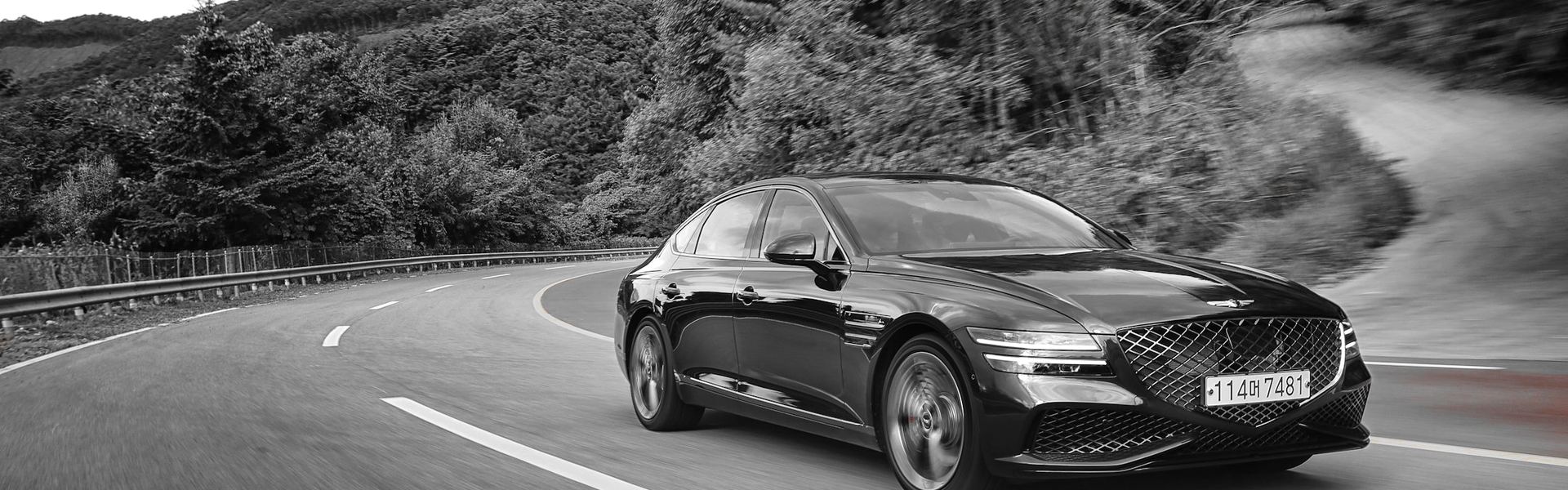
Performance for the driving you actually do
Performance is how a car responds on your own roads: joining the highway, climbing a grade, pulling a trailer, stopping in the rain. This guide explains the terms on the spec sheet and how to feel each one from the driver's seat.
A spec sheet invites you to chase the biggest figures, but the largest number rarely describes the drive you do each morning. A commuter who sits in traffic, a family that tows a camper on summer weekends and someone who crosses mountain passes in snow want different things from an engine and a set of wheels. Start with your own list of roads and loads.
Then use the spec sheet to narrow the shortlist and the test drive to decide. Figures tell you how one car compares with another on paper. Only the drive tells you whether a car feels calm, comfortable and responsive in the situations you wrote down.
Before you buy
- Write down the roads and loads you drive with
- Drive the exact engine and transmission you would buy
- Merge, climb and creep in traffic on the test drive
- Confirm the drive system and tires suit your winters
- Check the towing figure for this exact configuration
- Brake firmly once on a quiet, clear stretch
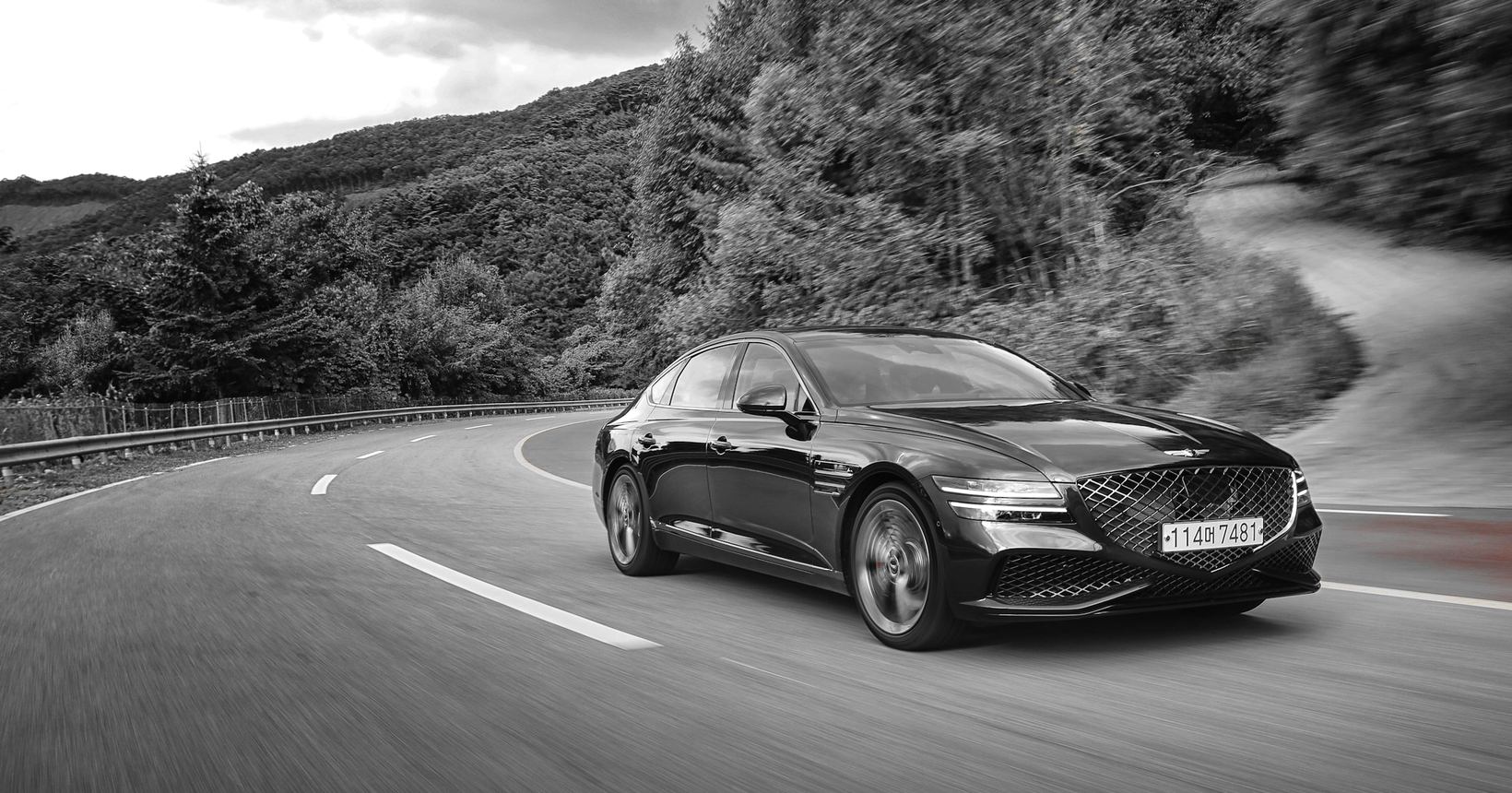
Power and torque in plain terms
Power describes how much work the engine or motor can do at speed, which you notice when you merge or pass. Torque is the twisting force behind the wheels, which you feel pulling away from a stop or climbing a hill with a full car. An engine can have plenty of one and less of the other, and where in the rev range it delivers them matters as much as how much.
Electric motors give their pulling force from a standstill, so they often feel quicker around town than their figures suggest. Small turbocharged engines can feel strong in the middle of the range and less eager right off the line. Judge each car at the speeds you drive most.
- Merge onto a highway during the test drive
- Pull away from a stop with passengers aboard
- Climb the steepest hill near the dealer if you can
Transmissions and how they feel
Conventional automatics, continuously variable transmissions, dual-clutch gearboxes, manuals and the single-speed drive in electric cars all behave differently. A continuously variable transmission holds the engine at a steady pitch as speed rises, which some drivers find odd at first. A dual-clutch unit shifts quickly on the move but can feel hesitant when creeping in traffic.
Drive the car the way you would on an ordinary day, including stop-and-go traffic and a parking maneuver. Pay attention to how smoothly it pulls away, the pause when you ask for more speed and any jerkiness at low speed. A transmission you dislike in the first few minutes is unlikely to grow on you over the years.
- Creep forward slowly as you would in a queue
- Press firmly to see how quickly it responds
- Reverse into a space to judge low-speed control
Front, rear, all-wheel and four-wheel drive
Front-wheel drive is common, light and usually efficient, and it copes well with ordinary roads. Rear-wheel drive suits heavier towing and often feels more balanced, though it asks for more care on snow without winter tires. All-wheel drive shifts power between the axles as grip changes, while four-wheel drive on a truck adds a low range for rough ground and steep tracks.
Driving all four wheels helps a car get moving on slippery roads, but it does nothing extra for stopping or turning. Tires carry much of that work, so ask what tires the car wears and what it would need for your winters. Choose the system for the roads you face, not for the rare trip you imagine.
- Ask whether all-wheel drive is full-time or engages on demand
- Check the tires fitted, not just the drive system
- Weigh the extra weight and fuel use of a system you rarely need
Towing, braking and handling
If you tow, find the towing capacity for the exact engine, axle and package in the owner's manual or the manufacturer's specifications. Compare it with the loaded weight of what you pull, and check the tongue weight, the hitch and any cooling equipment as well. Leave yourself room below the limit rather than planning to run at it.
On the test drive, brake firmly from a moderate speed on a clear, quiet road and notice whether the car stays straight and the pedal feels consistent. Take a few corners and a stretch of broken pavement to judge the steering and the ride. A car that feels nervous or harsh on a short loop will feel the same on a long trip.
- Check towing figures for the exact configuration
- Brake firmly once on a quiet, clear road
- Drive over rough pavement to judge the ride
New or used
Buying new
Buying new, you pick the engine, transmission and drive system, so you can order what your roads call for. Test drive the same powertrain you plan to buy, because the demonstrator on the lot may carry a different engine or wheel size. Ask for the configuration to be written on the paperwork.
Buying used
Buying used, performance depends on how the car has been driven and maintained as well as how it was built. A transmission that slips, a hesitation under load or a shudder under braking deserves an independent mechanic's attention before you agree to anything. Ask whether the car has towed, and look for a hitch or trailer wiring that says it has.
Questions
Not necessarily. Plenty of drivers manage winter roads with front-wheel drive and good winter tires, while others on steep or unplowed roads value all-wheel drive. Think about your own roads, and remember that tires affect stopping and steering in a way no drive system does.
Only if you will feel it in your own driving. Extra power helps with merging, passing, towing and heavy loads, and it usually costs more to buy and to run. Drive both engines back to back before deciding.
Use it to rule cars in or out on hard limits, such as towing capacity or payload, and to compare similar cars. Treat small gaps between figures as differences you will not feel. The test drive answers the rest.
General information, not mechanical, legal or tax advice. For one particular car, rely on its paperwork, an independent mechanic and your state motor vehicle office.