Researching a model's reliability before you buy
No single source can tell you how a car will hold up, but several sources read together can show a pattern. This guide covers where to look, what the paperwork says and what an independent inspection adds.
Reliability is about what goes wrong, how often it happens to owners and how much trouble it causes when it does. Owner surveys, forums, recall lists and service bulletins each show part of that picture. Read them together, and give more weight to a problem that turns up in several places.
A model's record tells you about cars like this one, not about this particular car. For a used car, the service records and an inspection tell you about the one in front of you. Use the model research to decide what to look at and the car's own history to decide whether to buy it.
Before you buy
- Read several reliability sources for the exact model year
- Search owner forums for faults that keep coming up
- Look up recalls and service bulletins for the model
- Ask for every service record the seller has
- Read what the remaining warranty covers and excludes
- Book a pre-purchase inspection with an independent mechanic

Reading more than one source
Reliability surveys, owner reviews and long-term road tests each have blind spots. A survey reflects the people who answered it, a single review reflects one owner's luck and a road test covers one car. When several of them describe the same weakness, take it seriously.
Look at the specific model year, engine and transmission rather than the model name as a whole. A redesign or a new engine can change the record sharply, in either direction. Be cautious with the first year of a new design, when early faults are still being found.
- Compare several independent sources
- Narrow the research to the exact year and engine
- Treat the first year of a redesign with care
Owner forums and repeated complaints
Owner forums are where problems surface early, often before they reach any survey. Search for the model year with words like transmission, oil, electrical, leak or warning light, and see what keeps coming up. Pay attention to how each problem was fixed and whether the fix held.
Forums attract people with problems, so read them for patterns rather than volume. One angry thread is a story; the same fault described by many owners in similar words is a signal. The federal vehicle complaint database, searchable by model, is another place to see what owners report.
- Search forums by model year and common fault words
- Look for the same fault described in similar terms
- Note whether repeat repairs actually solved the problem
Service records, recalls and technical bulletins
For a used car, ask for the service records and read them in date order. Regular oil changes and scheduled work at the intervals in the owner's manual suggest care, while long gaps, repeat visits for one fault or a major part replaced recently are questions to ask. A vehicle history report can fill some gaps, but it shows only what was reported to it.
Look up open recalls by vehicle identification number for any car you consider. Technical service bulletins are repair instructions a carmaker sends its dealers for known issues, and they show what tends to go wrong on that model. A bulletin repair is not always free, so ask a dealer service department what applies to the car.
- Read service records in date order
- Look up recalls by vehicle identification number
- Search for technical service bulletins on the model
Warranties and the pre-purchase inspection
A new car comes with the manufacturer's warranty, usually split into broad coverage and longer coverage for the engine and transmission. On a used car, some of that coverage may remain and pass to you, and certified pre-owned programs may add their own. Read what is covered, what is excluded, when it ends by date and odometer, and whether it transfers to the next owner.
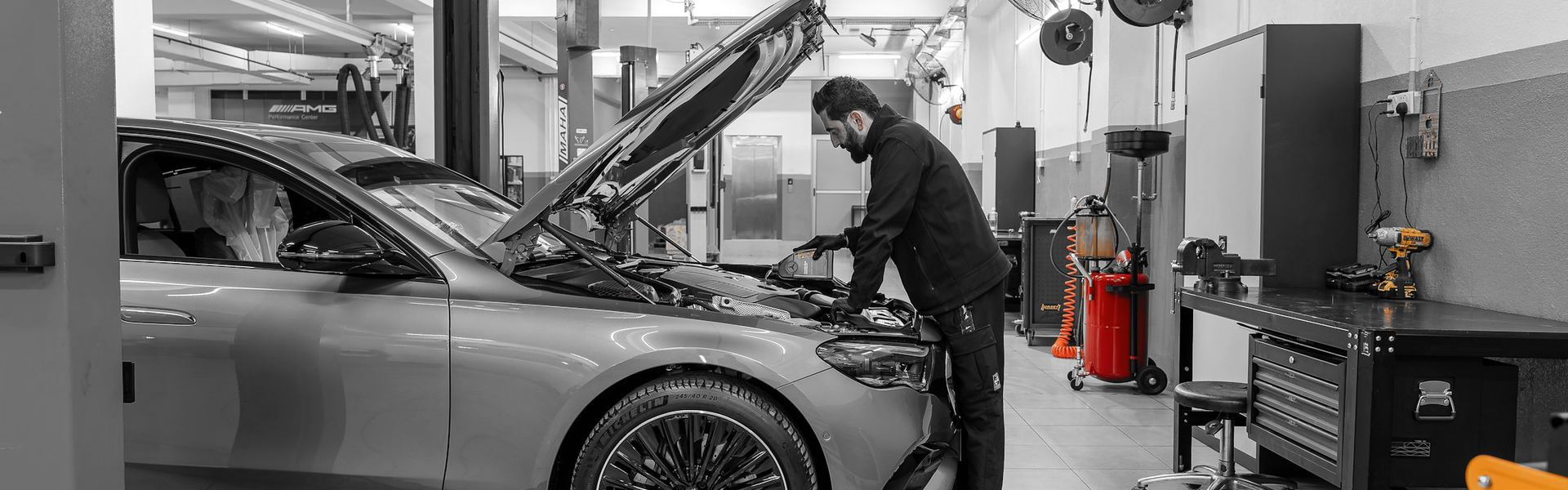
A pre-purchase inspection by an independent mechanic you choose looks at the engine, transmission, brakes, suspension, tires, fluids, underside and electronics, and it often reads stored fault codes. It tells you the car's condition that day and what is likely to need work soon. It cannot see inside every part or predict every fault, so treat it as information rather than a verdict.
- Read the warranty exclusions, not only the headline
- Confirm whether remaining coverage transfers to you
- Book an independent inspection before you agree to buy
New or used
Buying new
Buying new, the full warranty covers many early faults, so the risk is less about repair bills and more about the time a car spends at the dealer. Research the model year's record anyway, especially for a redesign or a new engine. Ask the dealer how warranty work is scheduled and whether a courtesy car is offered.
Buying used
Buying used, the car's own history matters as much as the model's record. Service records, a vehicle history report and an independent inspection together show how this car has been treated and what it may soon need. If the seller will not allow an inspection, treat that as part of the answer.
Questions
Certification means the car passed the program's own checklist and may come with extra warranty coverage. It does not change how the model holds up over time. Read what the certification covers, and still consider an independent inspection.
On its own, not much. Look for the same fault across several owners and sources before you rule a model out, and give a repeated problem with a costly part more weight than scattered complaints about trim.
An independent mechanic you pick yourself, with no connection to the seller. Ask in advance what the inspection covers and whether you will get a written report. Some sellers let you take the car to a shop, and others prefer a mobile inspector to come to them.
General information, not mechanical, legal or tax advice. For one particular car, rely on its paperwork, an independent mechanic and your state motor vehicle office.